
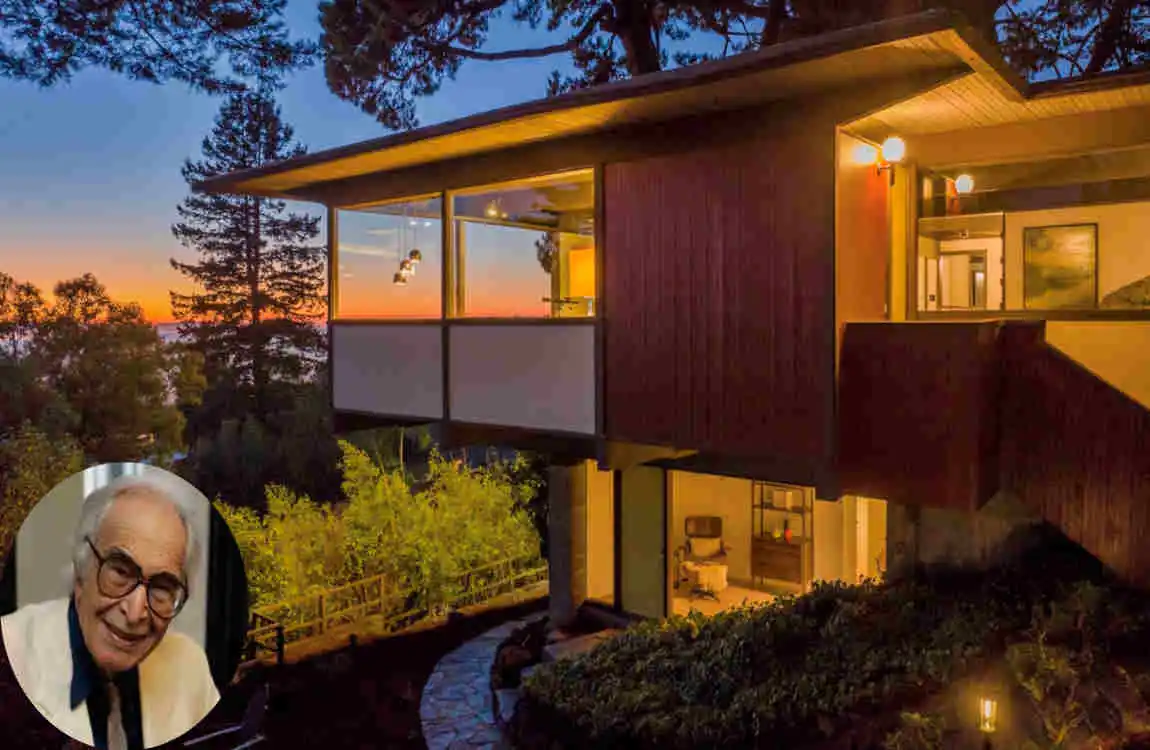
Imagine stepping into the home of a jazz legend, where every corner whispers stories of musical brilliance. For fans of jazz and cultural history alike, the Dave Brubeck House offers more than just walls and a roof—it’s a living testament to the life and genius of one of jazz’s most beloved figures.
Dave Brubeck, the iconic jazz pianist and composer, left an indelible mark on music history. From his groundbreaking hit “Take Five” to his adventurous rhythms and harmonies, Brubeck’s work transcends time. But what about the space where this magic was created? The Dave Brubeck luxury House is not just a personal residence; it’s a creative haven, architectural gem, and cultural landmark that reflects the man behind the music.
Historical Background of the Dave Brubeck House
The Origins of the House
Located in Wilton, Connecticut, the Dave Brubeck House was built in the mid-20th century—an era known for architectural innovation. The house became Brubeck’s sanctuary in the early 1960s, when he and his wife, Iola, sought a space that could serve as both a family home and a creative retreat.
From a House to a Haven
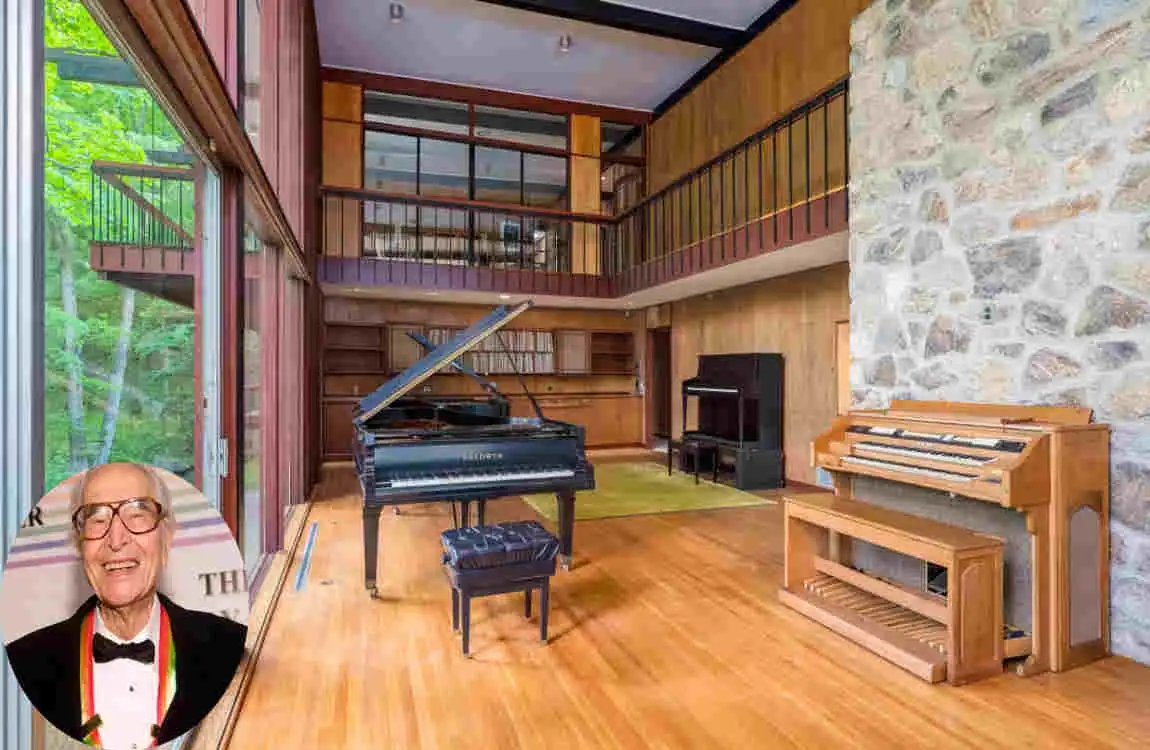
The stunning house wasn’t just a typical residence. For the Brubeck family, it was a space where music, art, and family life intertwined seamlessly. The home included a dedicated music studio, where Brubeck would spend hours composing and practising. The studio’s design prioritised acoustics, allowing Brubeck to experiment and refine his groundbreaking works.
Over the years, the house saw its share of history. From hosting intimate gatherings of musicians to being the birthplace of iconic compositions, the home became an extension of Brubeck’s artistry. It wasn’t just a place to live—it was the cradle of creativity.
Architectural Style and Design Elements
Mid-Century Modern Elegance
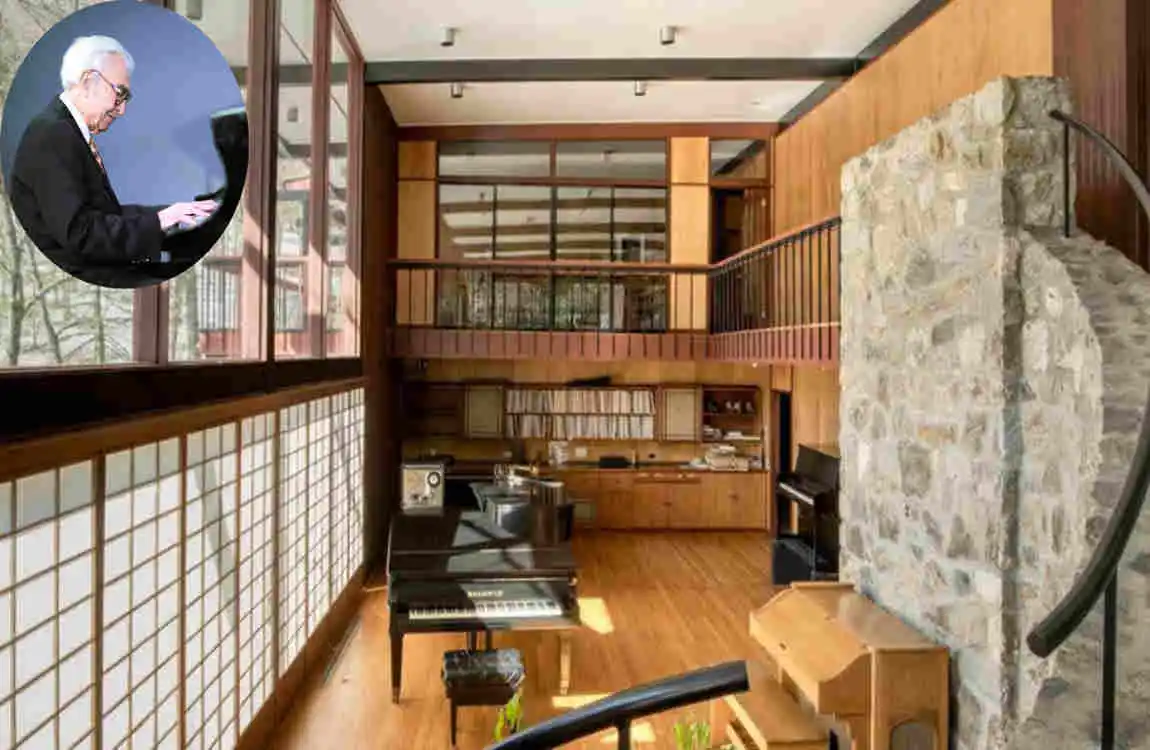
The Dave Brubeck House is a stunning example of mid-century modern architecture, a style characterised by its clean lines, functional spaces, and integration with nature. The house reflects the era’s ethos of simplicity and harmony, which aligns beautifully with Brubeck’s musical philosophy.
Exterior Features
From the outside, the house is a blend of natural materials, including wood, stone, and glass. Large windows offer panoramic views of the surrounding landscape, connecting the interior with nature. The property includes sprawling gardens and serene outdoor spaces, creating a tranquil environment for both relaxation and inspiration.
Feature Description
Location Wilton, Connecticut
Architectural Style Mid-century modern
Key Materials : Wood, glass, and stone
Notable Features : Large windows, open layouts, private studio
Interior Highlights
Inside, the home is equally captivating. The music studio stands out as the heart of the house designed with sound quality in mind. Other unique features include a cosy piano room, vintage furnishings, and artistic decor that reflects the Brubecks’ eclectic tastes. The open floor plan and natural light create an inviting atmosphere that encourages creativity.
Musical Influence Within the Dave Brubeck House
A Space for Creativity
The house wasn’t just a residence; it was a musical laboratory where Brubeck’s genius flourished. The carefully designed studio allowed him to explore new ideas without distraction. Family members often recall the sound of the piano filling the home, creating a constant backdrop of creativity.
Legendary Compositions
Many of Brubeck’s iconic works were born within these walls. The tranquil setting, combined with the house’s thoughtful acoustics, made it the perfect environment for experimentation. Stories from friends and collaborators describe the house’s unique energy, a place where music seemed to flow effortlessly.
Preservation and Cultural Significance
A Tribute to Musical History
Today, efforts are underway to preserve the Dave Brubeck House as a cultural landmark. The stunning home stands as a testament to Brubeck’s contributions to jazz, offering future generations a glimpse into the life of a legend.
Why Preservation Matters
Preserving spaces like the Dave Brubeck House is crucial for cultural heritage. These homes tell stories that go beyond their walls, connecting us to the lives and legacies of the artists who shaped our world. For jazz enthusiasts, visiting this house is a chance to walk in the footsteps of greatness.
The Dave Brubeck House in Pop Culture and Media
The Dave Brubeck House has captured the imagination of fans and historians alike. It has been featured in music documentaries, written about in jazz history books, and celebrated as a symbol of mid-century modern design. While public access may be limited, its influence extends far and wide.
Visiting or Experiencing the Dave Brubeck House Today
If you’re a jazz enthusiast or cultural history buff, the Dave Brubeck House is a must-see destination. Though not always open to the public, occasional events and tours offer visitors the chance to experience the space firsthand. Nearby, you’ll also find other jazz landmarks and museums, making it a perfect stop on any musical pilgrimage.
Lessons from Dave Brubeck’s Home for Music Lovers and Creatives
The Dave Brubeck House teaches us the importance of creating spaces that inspire creativity. For Brubeck, his modern home wasn’t just a place to live—it was a sanctuary that fueled his artistry. Whether you’re a musician, writer, or creative thinker, the lesson is clear: your environment matters.
Where Does Dave Brubeck Currently Live?
Dave Brubeck, the renowned jazz pianist and composer, passed away on December 5, 2012, in Norwalk, Connecticut, so he does not currently live anywhere. He spent much of his later life in Wilton, Connecticut, where he owned a modernist home at 221 Millstone Road, built in the early 1960s after relocating his family from California. His wife, Iola, died in 2014 in Wilton, and he is buried at Umpawaug Cemetery in nearby Redding, Connecticut. Earlier residences included the Heartwood House at 6630 Heartwood Drive in Oakland, California, from the 1950s.
