
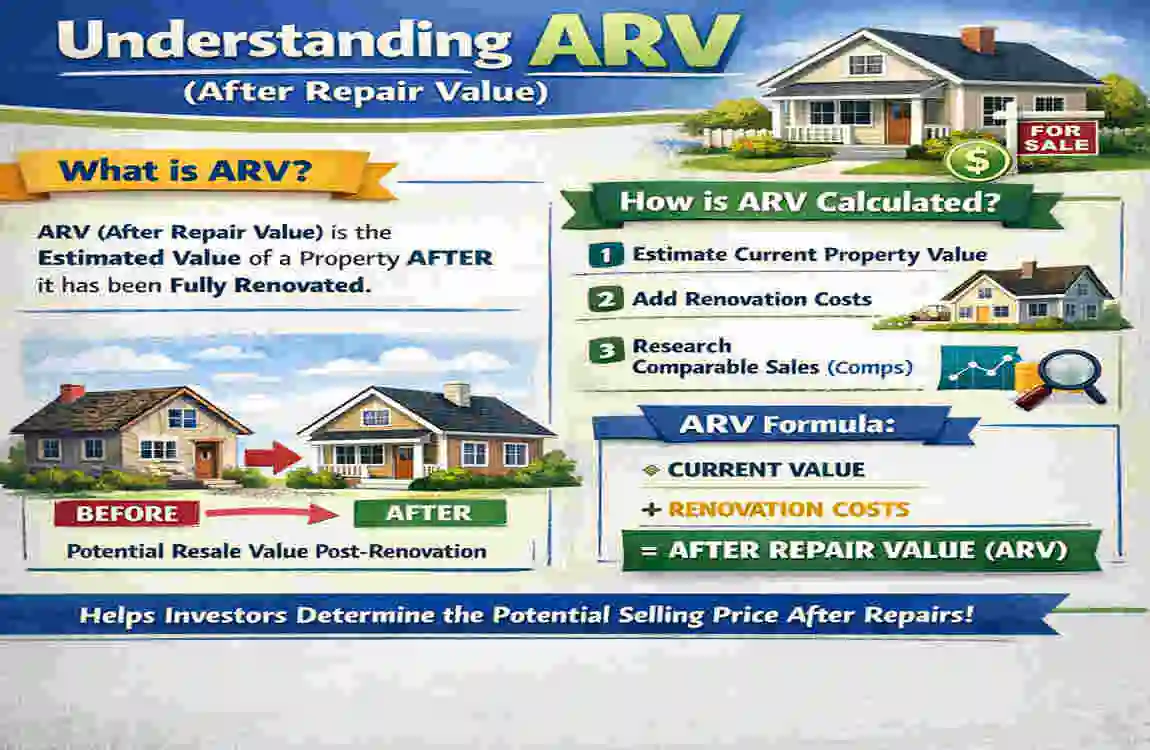
If you are new to investing, you may have asked, What does ARV mean in real estate? The answer is simple, but the idea behind it is very important.
ARV stands for After Repair Value. It tells you what a property may be worth after renovations are complete. This number matters a lot for house flippers, rehab investors, and lenders because it helps them judge whether a deal is smart or risky.
When you understand ARV, you can avoid paying too much for a property. You can also estimate your profit more clearly and plan your repairs with more confidence. In simple words, ARV helps you see the future value of a house before the work is done.
That is why many investors use ARV before they buy. It gives them a clearer picture of the numbers and helps them make better choices.
What Does ARV Mean in Real Estate?
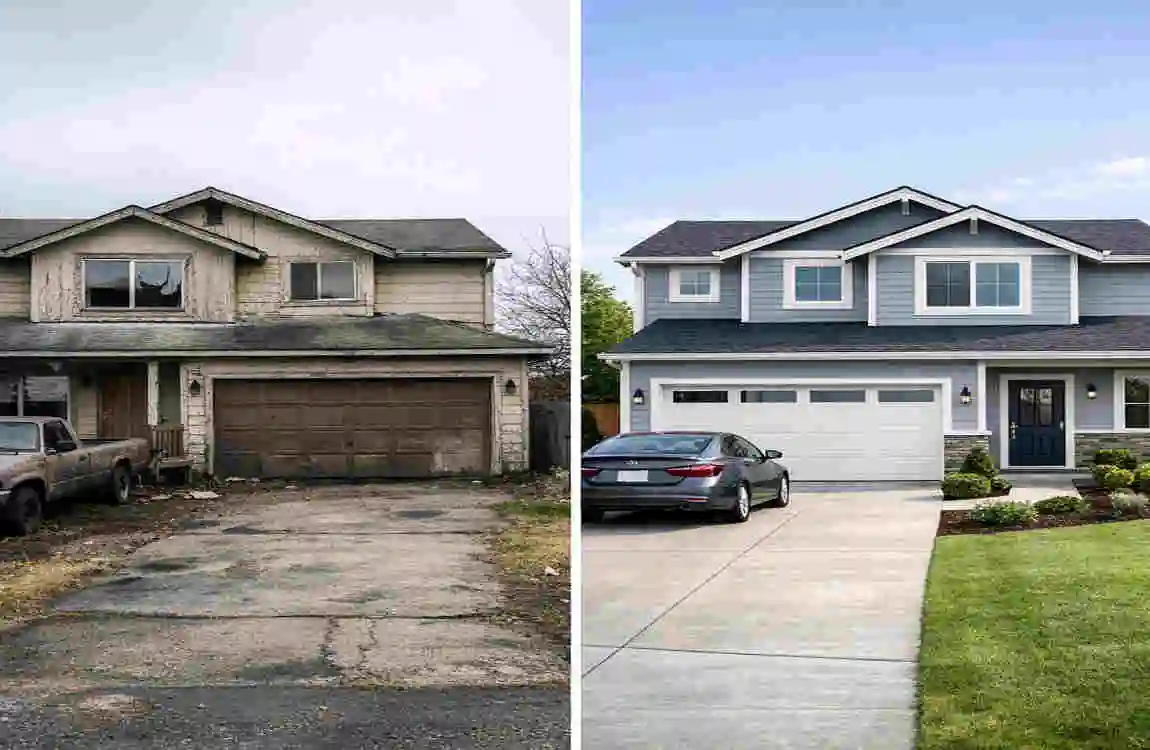
ARV Definition Explained Simply
ARV means After Repair Value. It is the estimated value of a luxury home once all planned repairs, upgrades, or renovations are finished.
For example, if you buy a worn-out house that needs work, its current price may be low. But after you fix the kitchen, update the bathroom, paint the walls, and improve the curb appeal, the house may sell for much more. That expected selling price is the ARV.
In other words, ARV is not the home’s current value. It is the value you expect after improvements.
Why ARV Is Important
ARV matters because it helps investors answer one big question: Will this property make money?
Here is why it is so useful:
- It helps estimate profit
- It supports house flipping decisions
- It helps lenders set loan amounts
- It prevents overpaying for a property
For investors, ARV is one of the first numbers to check. If the ARV is strong enough, the project may be worth it. If it is too low, the deal may not be safe.
How ARV Is Calculated
Basic ARV Formula
A simple way to think about ARV is:
ARV = Current value of the home after repairs
Some investors also look at it like this:
ARV = Purchase Price + Value added by renovations
This is not a perfect math formula for every case, but it helps beginners understand the idea. The real goal is to estimate what similar updated luxury homes are selling for in the same area.
Step-by-Step Calculation Process
To estimate ARV correctly, investors usually follow a few basic steps.
Find comparable sales. Look for similar homes in the same neighborhood that have already sold. These are often called comps. They should match the property in size, style, age, and condition as closely as possible.
Study the neighborhood. A home in a strong area usually has a better ARV than a similar home in a weaker area. Nearby schools, stores, jobs, and demand all affect value.
Estimate repair costs. You need to know how much the renovation will cost. This includes labor, materials, and any extra expenses.
Compare the finished property to similar homes. Once repairs are planned, compare the property to other renovated luxury homes nearby. This gives you a better idea of the likely selling price.
Adjust for market changes. If the market is rising, ARV may be slightly higher. If the market is slowing, you may want to be more cautious and conservative.
Example of ARV Calculation
Let’s say you find a house in poor condition for $120,000.
You plan to spend $30,000 on repairs. After checking nearby sales, you see that similar renovated homes are selling for about $190,000.
That means the ARV is about $190,000.
Now you can use that number to decide whether the deal is worth it. If your total costs are too close to the ARV, your profit may be small or even negative. That is why ARV matters so much.
Factors That Affect ARV
Location and Neighborhood Trends
Location is one of the biggest factors in real estate. A house in a desirable neighborhood usually has a stronger ARV than a similar house in a less popular area.
Things like school quality, nearby shops, public transport, and safety can all affect property value.
Property Condition
The starting condition of the home matters too. A house that only needs light cosmetic work may have a higher expected return than one with major structural problems.
The worse the condition, the more carefully you need to check the numbers.
Market Demand
If buyers in the area are actively looking for homes, ARV may rise. If the market is slow, you may need to lower your estimate.
Real estate value is not fixed. It changes with demand.
Renovation Quality
Good repairs can raise value, but poor artistry can hurt it. Buyers notice the difference between a clean, well-finished home and a rushed job.
Strong renovation quality usually supports a better ARV.
Comparable Sales Accuracy
Your ARV estimate is only as good as your comps. If you use homes that are too different, your estimate may be off.
Good comps are similar in:
- Size
- Location
- Age
- Layout
- Condition
- Recent sale date
Why ARV Matters for Real Estate Investors
ARV is one of the most useful numbers in house investing because it helps you make smarter decisions.
It can help you:
- Avoid paying too much
- Set your maximum allowable offer
- Plan your repair budget
- Estimate your profit margin
- Decide whether to flip or pass on a deal
If you are using the fix-and-flip strategy, ARV is especially important. Without it, you are guessing. With it, you can work with a clearer plan.
Lenders also care about ARV. Many hard-money loans are based in part on the expected after-repair value, not just the house’s current condition.
Common Mistakes Investors Make with ARV
Overestimating Renovation Impact
Some investors think every improvement adds a lot of value. That is not always true.
For example, spending more on luxury finishes does not always raise the selling price by the same amount. You should always match the home to the neighborhood.
Using Inaccurate Comps
Bad comps can lead to a bad deal. If the homes you compare are too different, your ARV estimate may be too high or too low.
Ignoring Market Changes
The market can change fast. A deal that looked strong a few months ago may not look the same today.
Underestimating Repair Costs
This is another common problem. If repairs cost more than expected, your profit can shrink quickly.
A smart investor always leaves room for surprise expenses.
ARV vs Other Real Estate Terms
Term Meaning Main Difference
ARV After Repair Value Value after renovations are complete
Market Value What the home is worth now Based on the current condition
As-Is Value Value without repairs Reflects the home in its present state
Appraised Value: Value determined by an appraiser. Often used for lending and financing.
How Beginners Can Estimate ARV Accurately
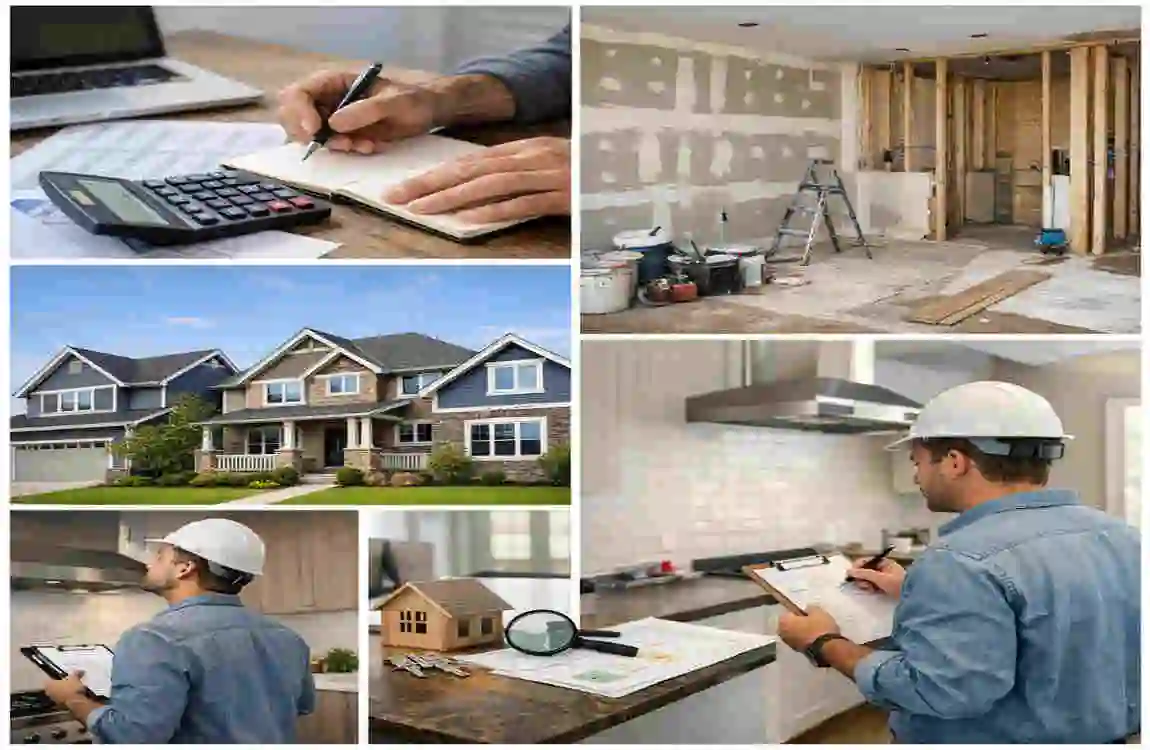
If you are starting, keep things simple and careful.
Use Recent Comps
Look at homes sold recently in the same area. Recent sales are more useful than old ones.
Talk to Local Experts
Real estate agents, wholesalers, and experienced investors often know the local market well. Their input can help you avoid mistakes.
Study the Area Closely
Walk the neighborhood if you can—notice which homes are updated, which are older, and what buyers seem to want.
Stay Conservative
It is better to estimate a little low than too high. Conservative estimates can protect your deal from unexpected problems.
Tools to Help Estimate ARV
You do not need complicated tools to start, but a few resources can make the job easier.
- Real estate comp tools
- MLS data
- Investment calculators
- Property analysis software
These tools help you compare homes, estimate repair costs, and judge whether a property may be profitable.
Quick Summary
ARV is one of the most important numbers in real estate investing. It shows you what a property may be worth after repairs are done. That makes it useful for pricing, planning, and profit estimation.
If you understand ARV well, you can make smarter choices and reduce your risk. If you ignore it, you may overpay or misjudge a deal.
FAQ
What does ARV mean in real estate?
ARV stands for After Repair Value. It is the expected value of a property after repairs and upgrades are completed.
How do you calculate ARV?
You estimate ARV by comparing the property to similar renovated homes in the area, then adjusting for market conditions, repairs, and local demand.
Why is ARV important for investors?
It helps investors understand profit potential, set a maximum offer price, and avoid bad deals.
Is ARV the same as market value?
No. Market value is what the home is worth now, while ARV is the expected value after repairs.
Can ARV be wrong?
Yes. Bad comps, rising repair costs, or changing market conditions can make ARV less accurate.
| Term | Meaning | Simple Explanation | Why It Matters for Investors |
|---|---|---|---|
| ARV | After Repair Value | The estimated value of a property after all renovations are completed | Helps investors decide if a property is worth buying |
| Calculation Basis | Comparable Sales (Comps) | Based on recently sold similar homes in the area | Ensures realistic property valuation |
| Used In | Fix & Flip Investing | Commonly used in house flipping and rehab projects | Guides renovation budget and profit potential |
| Formula | ARV = Purchase Price + Renovation Value Increase | Estimates final resale price after improvements | Helps calculate potential profit |
| Importance | Profit Estimation Tool | Shows how much a property could sell for after repairs | Prevents overpaying for investment properties |
