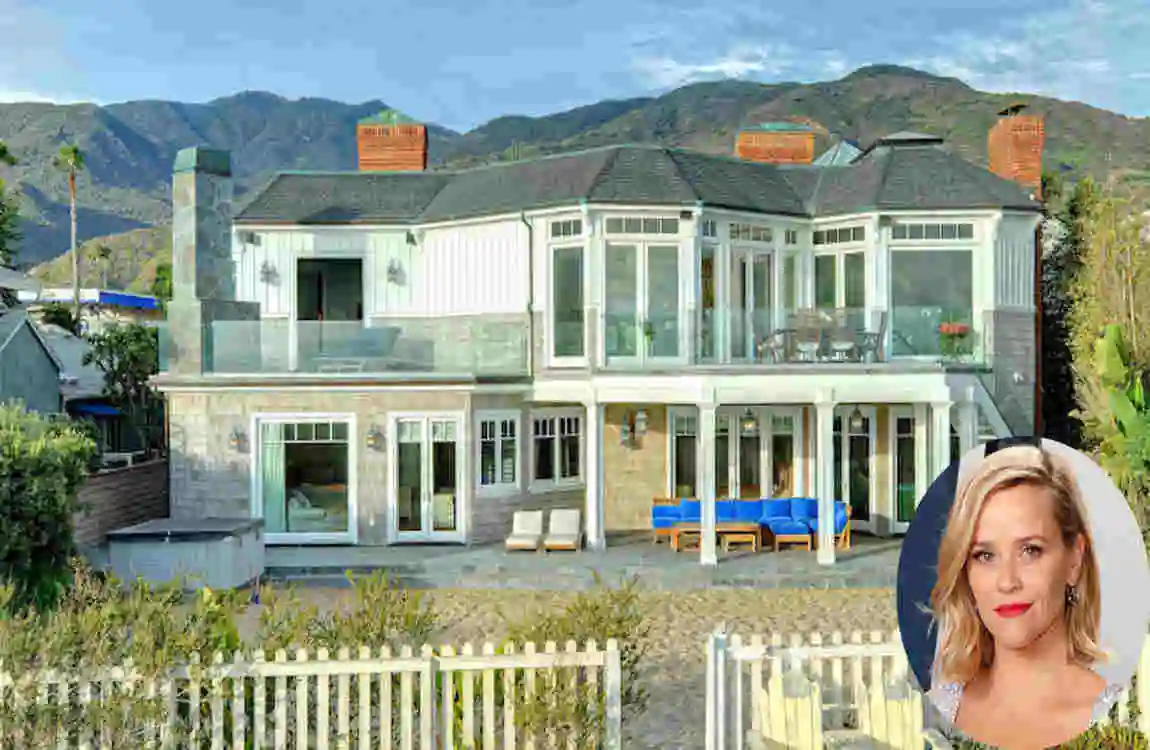
Imagine walking down a street lined with ancient oaks, their branches heavy with Spanish moss. You turn a corner, and there it is—a structure that seems to hum with stories from a bygone era. It isn’t just a building; it is a time capsule. This is the Laura Jeanne Reese House, a timeless treasure reborn through a meticulous, heart-pounding restoration.
For architecture lovers and history buffs, the Laura Jeanne Reese House represents the pinnacle of heritage conservation. It blends the intricate charm of 19th-century craftsmanship with the quiet luxury of modern living. But why is this specific house capturing headlines and Pinterest boards across the globe in 2026?
The answer lies in its journey. This wasn’t a simple coat of paint and a new rug. This was a rescue mission. Located in the heart of the historic South—though its architectural cousins can be found from the colonial districts of Lahore to the Victorian streets of San Francisco—this home tells a universal story of resilience.
The Rich History of the Laura Jeanne Reese House
To understand the restoration, you first have to respect the ruin. The Laura Jeanne Reese House was not always the shining jewel it is today. Its story begins in the late 19th century, a time of ornate details and grand gestures.
Origins of a Masterpiece
Built circa 1890, the house was originally commissioned by a local textile merchant. The architect, whose name has been lost to the record books but whose style is unmistakable, designed it in the Queen Anne Victorian style. This era was defined by excess: asymmetry, textured shingles, and expansive porches.
For decades, the house was the center of social life in the town. It hosted garden parties, political gatherings, and family weddings. It was a symbol of prosperity. However, like many grand dames of that era, the mid-20th century was unkind to it. As the original family moved on, the house fell into disrepair.
The Era of Decline
By the 1980s, the Laura Jeanne Reese House was a shadow of its former self. The paint was peeling, the roof was leaking, and the once-manicured gardens were overgrown with kudzu. It sat empty for nearly a decade, labeled an “eyesore” by neighbors. In 2015, it was nearly slated for demolition to make way for a modern condo complex.
The Turning Point
The cultural impact of saving this home cannot be overstated. Local preservationists rallied to save it, citing its unique millwork and historical significance. When the current owners took over in the early 2020s, they didn’t just buy a house; they bought a piece of history.
Timeline of the Laura Jeanne Reese House
YearMilestone EventStatus
1890 Construction completed, Grand Opening
1920s Electricity and indoor plumbing added Modernization
1980s Family sells; house abandoned Decline
2015 Demolition permit filed and blocked Crisis Point
2021 Purchased for restoration, New Beginning
2024 Full restoration completed, Reborn
The Restoration Journey: Bringing Laura Jeanne Reese House Back to Life
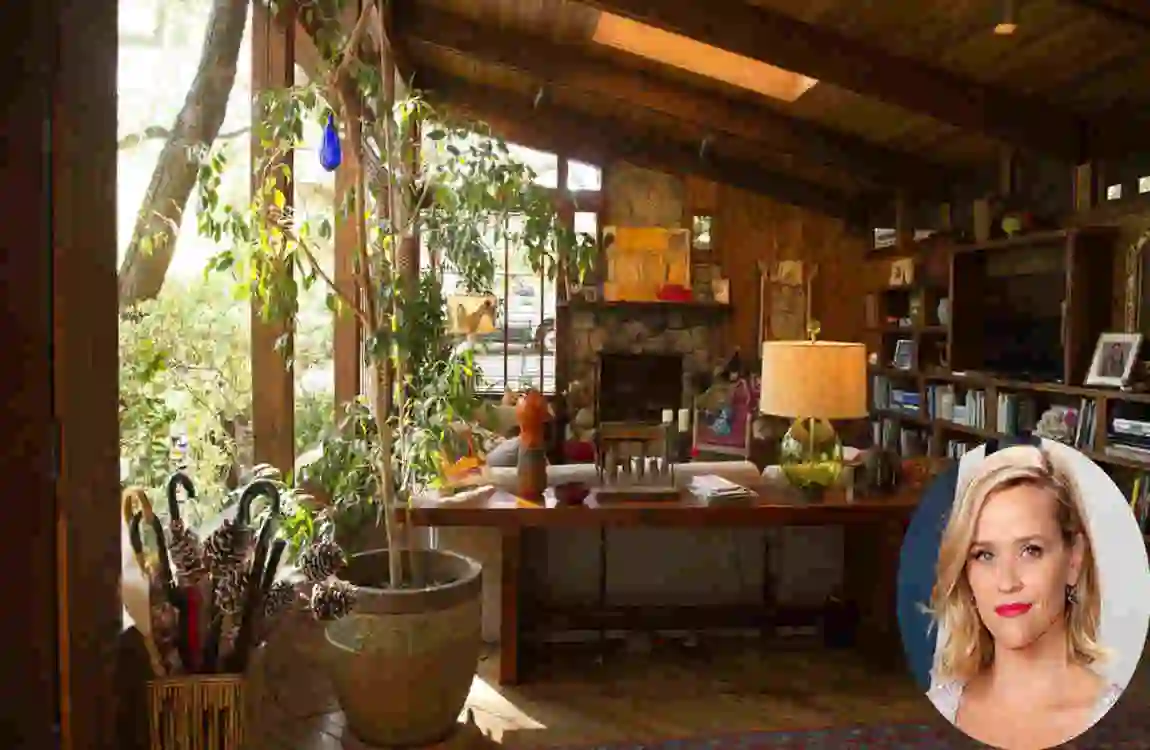
Restoring a home like the Laura Jeanne Reese House is not for the faint of heart. It requires deep pockets, endless patience, and a team of experts who know how to listen to a building.
Challenges Faced
When the restoration team first entered the property, the reality was grim. The romantic idea of “fixer-upper” quickly vanished.
- Structural Rot: Water had been getting in for years. The main support beams in the southeast corner were essentially mulch.
- Foundation Issues: The house had settled unevenly, leading to significant cracks in the plaster walls and a “funhouse” slope to the floors.
- Outdated Systems: The wiring was dangerous knob-and-tube, and the plumbing was lead. The house was a fire hazard waiting to happen.
Restoration Team and Techniques
A coalition of heritage architects and master carpenters led the project. Their philosophy was simple: retain, repair, replace—in that order.
They used sustainable methods wherever possible. For instance, instead of ripping out the damaged heart pine floors, they sourced reclaimed wood from a dismantled barn in the same county to patch the bad spots. This ensured the grain pattern and age of the wood matched perfectly.
The budget for the Laura Jeanne Reese House restoration was significant, estimated between $500,000 and $2 million. This was phased over three years to manage costs and ensure quality. It wasn’t a race; it was a marathon.
Innovations Used
One of the most impressive aspects of the Laura Jeanne Reese House is how it hides modern tech. You won’t see bulky air conditioning units hanging from the windows.
- Smart HVAC: The team installed a high-velocity HVAC system. These use small, flexible ducts that can be snaked through existing walls without destroying the historic plaster.
- Energy Efficiency: The original single-pane wavy glass windows were restored, and invisible interior storm windows were added to meet modern insulation standards without altering the exterior look.
Before and After Highlights
The transformation is nothing short of miraculous.
- The Facade: Went from a gray, rotting shell to a vibrant, multi-colored “painted lady” with restored gingerbread trim.
- The Kitchen: Transformed from a dark, cramped scullery into a light-filled, chef-grade space that still feels like it belongs in 1890.
Architectural Highlights of the Laura Jeanne Reese House
Now that we know how they saved it, let’s look at what they saved. The architecture of the Laura Jeanne Reese House is a masterclass in Victorian design.
Exterior Glory
The first thing that strikes you is the asymmetry. Unlike the boxy colonial homes, this house has a personality.
- The Turret: A round tower on the corner of the house gives it a castle-like appearance. Inside, this creates a circular room that is flooded with light.
- The Wraparound Porch: This is the soul of the house. It features intricate spindle work and a ceiling painted “haint blue”—a Southern tradition meant to ward off evil spirits (and insects).
- Gingerbread Trim: The eaves are decorated with scroll-sawn wood details that look like lace made of timber.
Interior Masterpieces
Stepping inside, you are greeted by craftsmanship that doesn’t exist in modern construction.
- The Fireplaces: There are seven fireplaces in the home. Each one has a unique mantle tile surround, showcasing the aesthetic movement’s love for nature themes.
- Stained Glass: The staircase landing features a massive stained glass window that casts colorful shadows across the parquet floors in the afternoon.
- Millwork: The baseboards are ten inches high, and the crown molding is intricate plaster, not wood.
Unique Features
The restoration uncovered some secrets, too.
- Hidden Rooms: During the renovation, workers discovered a small “fainting room” off the main bedroom that had been walled over in the 1950s. It has now been converted into a stunning walk-in closet.
- Modern Integration: The architects managed to tuck a powder room under the main staircase. It feels like a secret jewel box, lined with mood lighting and vintage wallpaper.
Interior Design and Decor Secrets
The interior design of the Laura Jeanne Reese House strikes a delicate balance. It acknowledges the past without living in a museum. The style can be described as Victorian Elegance meets Contemporary Comfort.
The Kitchen: The Heart of the Home
This is where the fusion is most evident. The designers chose cabinetry that looks like freestanding furniture, painted in a soft, muddy sage green.
- The Island: Instead of marble, they used a massive butcher-block island made from reclaimed walnut. It feels warm and invites you to touch it.
- Hardware: Unlacquered brass handles were chosen because they will tarnish and age over time, adding to the home’s “lived-in” history.
The Main Suite
The goal here was “Spa Retreat.”
- The Tub: A vintage cast-iron clawfoot tub was re-enameled and placed in the center of the room.
- The Walls: Soft, creamy neutrals allow the architectural bones of the room—like the picture rails and window casings—to be the stars.
Room-by-Room Inspiration
RoomStandout ElementDesign Inspiration
Kitchen Butcher-block Island Farmhouse Modern
Master Suite Clawfoot Tub 1920s Hotel Spa
Parlor Crystal Chandelier Gilded Age Glamour
Library Built-in Rolling Ladder English Country House
Mudroom Brick Herringbone Floor Practical Utility
Sourcing Tips
You might be wondering where they found these items. The secret is the mix.
- Antique Markets: The team scoured local estate sales for rugs and lighting.
- Custom Replicas: For things like the front door hardware, they hired local blacksmiths to forge new pieces that looked old.
Lessons from the Laura Jeanne Reese House Restoration
You don’t have to own a mansion to learn from this project. Whether you are fixing up a bungalow in the suburbs or a haveli in Lahore, the principles remain the same.
Budgeting for the Unknown
The biggest lesson? The 20% Rule. Always set aside at least 20% of your budget for contingencies. The Laura Jeanne Reese House team encountered termite damage that wasn’t visible during the inspection. That contingency fund is the difference between finishing the project and stalling halfway.
DIY vs. Hiring Pros
This project highlights when to call for help.
- DIY: Painting, landscaping, and minor fixture swaps are great for homeowners.
- Pro: Structural work, roofing, and electrical. The restoration team emphasized that trying to fix the foundation as a DIY project would have been catastrophic.
Applicability for Different Climates
For our readers in places with extreme weather, like Pakistan or the US South, this restoration teaches us about humidity control.
- Breathability: Old houses need to breathe. Using modern, plastic-based paints on historic brick or plaster traps moisture, leading to rot. The Laura Jeanne Reese House used lime-based washes and breathable insulation to ensure it could withstand the humid summers without mold.
Visiting and Experiencing the House
Today, the Laura Jeanne Reese House isn’t just a private residence; it is a community landmark.
Tours and Access
While it remains a private home, the owners open the doors twice a year for heritage home tours. Tickets usually sell out in minutes.
- Virtual Tours: For those who can’t make the trip, a comprehensive 3D virtual tour is available online, allowing you to click through every room and zoom in on the details.
A Hub for Inspiration
The house has become a pilgrimage site for designers. It proves that you don’t have to tear down the old to have the new.
If you are looking to start your own restoration journey, our business offers consultations inspired by the techniques used in the Laura Jeanne Reese House. We can help you assess the “bones” of a property before you buy.
Modern Relevance and Future of the House
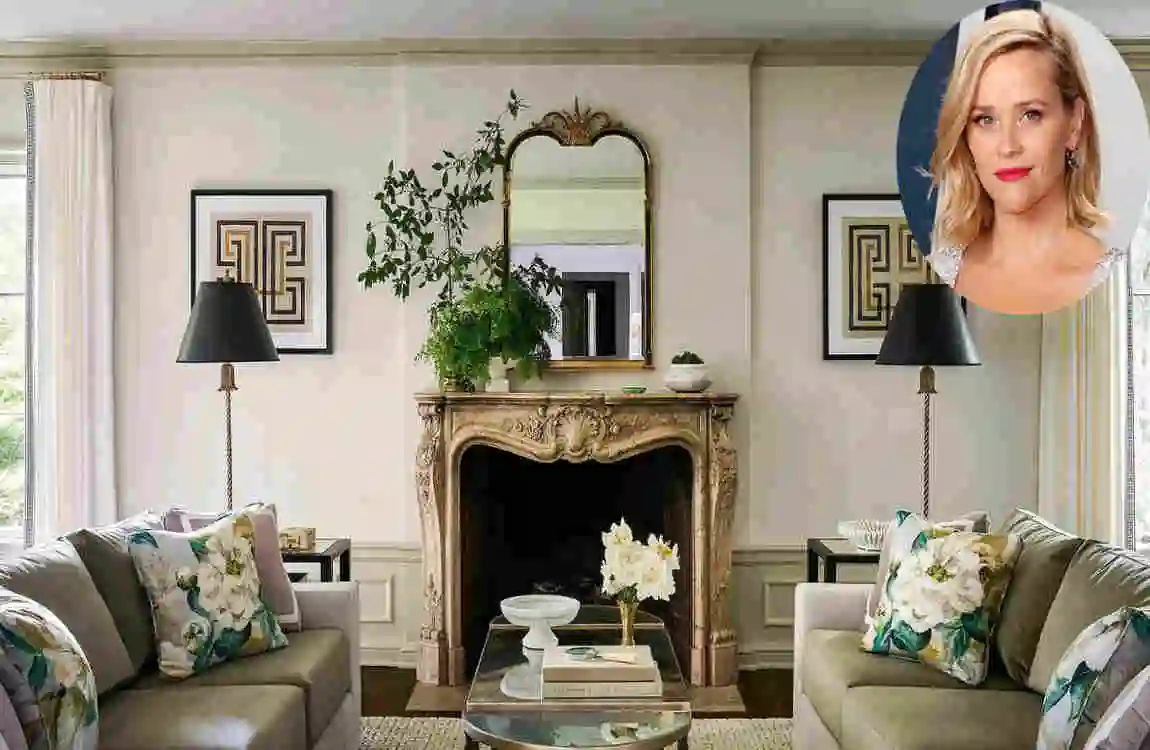
Is there a future for old houses in 2026? The Laura Jeanne Reese House shouts a resounding “Yes!”
Events and Sustainability
The grounds are now being used for intimate, high-end weddings, generating income to maintain the property. This is a smart business model for historic home ownership.
Furthermore, the luxury house is pushing boundaries on sustainability. With the addition of hidden solar shingles and a rainwater harvesting system, it is nearing Net-Zero energy status. It proves that a 130-year-old house can be greener than a brand-new build.
Frequently Asked Questions (FAQs)
What is the Laura Jeanne Reese House known for? The Laura Jeanne Reese House is renowned for its impeccable restoration that saved a dilapidated Queen Anne Victorian structure from demolition. It is famous for blending original 19th-century architectural details—such as turrets and gingerbread trim—with state-of-the-art modern amenities and sustainable technology.
How much did the Laura Jeanne Reese House restoration cost? While exact figures vary by construction phase, experts estimate the total restoration cost fell between $500,000 and $2 million. This included structural stabilization, complete system overhauls (electric/plumbing), and high-end interior finishing.
Is the Laura Jeanne Reese House open to the public? The house is primarily a private residence. However, it participates in bi-annual historic home tours where the public can purchase tickets to view the ground floor and gardens. There is also a year-round virtual tour available online for architecture enthusiasts.
What style of architecture is the Laura Jeanne Reese House? The house is a classic example of Queen Anne Victorian architecture. Key features include an asymmetrical façade, a dominant front-facing gable, overhanging eaves, a round turret, and a wraparound porch with decorative spindle work.
How long did the restoration take? The full restoration was a multi-year process, spanning approximately three years. The first year was dedicated solely to structural stabilization and planning, while the subsequent years focused on mechanical systems and interior design.
Where Does Laura Jeanne Reese Currently Live?
Reese Witherspoon (Laura Jeanne Reese Witherspoon) primarily resides in Los Angeles, California, with properties also in Nashville, Tennessee.
Laura Jeanne Reese house photo