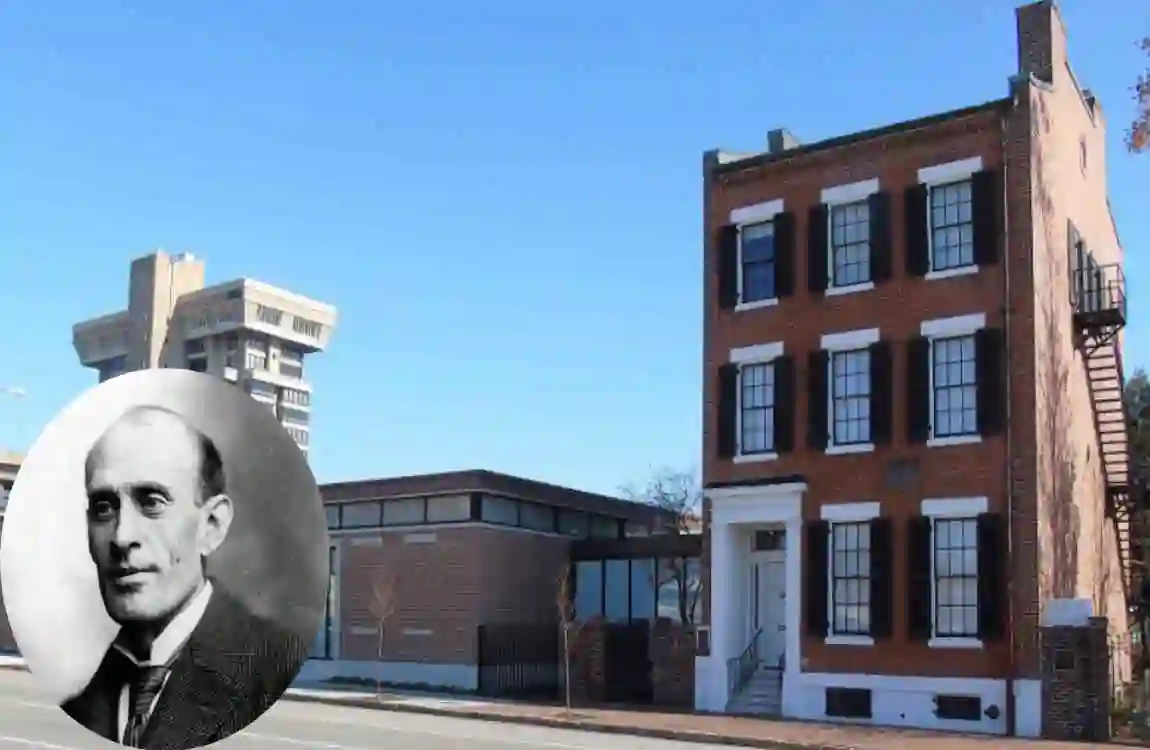
If you’re exploring the rich history of St. Louis, the Eugene Field House is a must-see destination. This historic house museum, located in downtown St. Louis, offers a unique window into 19th-century life and the legacy of two remarkable figures: Eugene Field, a beloved children’s poet, and his father, Roswell Field, a key attorney in the landmark Dred Scott case.
Built in 1845, the house served as Eugene Field’s childhood home and witnessed important moments in American legal history. Today, it stands preserved as a museum and is recognized as a National Historic Landmark. Visiting the Eugene Field House means stepping back in time to experience Victorian-era architecture, family stories, and the powerful history that shaped civil rights in the United States.
What Is the Eugene Field House?
Overview of the House
The Eugene Field House is a historic house museum located at 634 South Broadway in St. Louis, Missouri. It dates back to 1845 and is one of the last remaining homes from what was once known as “Walsh’s Row,” a continuous line of attached Greek Revival-style houses. These row houses were typical of mid-19th-century urban living in St. Louis, designed to accommodate growing city populations in a compact, elegant style.
Today, the Eugene Field House is protected as both a city Landmark and a National Historic Landmark. These designations ensure that the house is preserved for future generations to appreciate its architectural beauty and historical significance.
Why It’s Significant
What makes the Eugene Field House truly special is its connection to two important figures. It was the childhood home of Eugene Field, who became famous for his charming children’s poetry and nostalgic writings. At the same time, it was the residence of his father, Roswell Field, an attorney who played a crucial role in advancing the Dred Scott freedom suit through the federal courts. This case had a profound impact on American history.
Today, the house operates as the Field House Museum, preserving Victorian-era interiors and family history. Visitors can explore exhibits that highlight both Eugene Field’s literary legacy and Roswell Field’s legal contributions, making it a rich cultural and educational experience.
Historical Background: From Walsh’s Row to Landmark
Construction and Early Years 19th Century
The Eugene Field House was built in 1845 as part of a group of three-story Greek Revival row houses known as Walsh’s Row. These homes were attached side by side, reflecting the urban housing trends of the time in St. Louis. This style was popular because it maximized space while maintaining an elegant, classical look, with features such as symmetrical windows and decorative cornices.
Walsh’s Row was a bustling residential area in the mid-1800s, home to families who lived and worked in the growing city. The row houses represented a slice of urban life during a period of rapid expansion and change.
The Field Family Moves In
Around 1850, Roswell Martin Field and his wife Frances leased one of these units, which would become the Eugene Field House. This home was where their children, including Eugene Field, spent their formative years. The family lived here until 1864, a period that shaped Eugene’s early experiences and later inspired his writings.
Eugene Field grew up to be a well-known writer, especially famous for his children’s poetry and lullabies. His connection to this house makes it a literary pilgrimage site for fans and scholars alike.
Threat of Demolition and Preservation Efforts
By the 1930s, Walsh’s Row was slated for demolition as part of urban renewal efforts. Eleven of the twelve attached houses were torn down, leaving the Eugene Field House as the sole survivor. This sparked a local preservation movement.
A committee of civic leaders, journalists, and community advocates rallied to save the house. Their efforts led to the property being transferred to the St. Louis Board of Education in 1936, ensuring its protection. This was a significant victory for historic preservation in the city.
Opening as a Museum
On 18 December 1936, the Eugene Field House opened as a museum dedicated to the poet’s memory. It became St. Louis’ first historic house museum, setting a precedent for preserving local heritage. Over the years, stewardship of the museum has passed through various organizations, all committed to maintaining its historical integrity and educational mission.
The People Behind the Eugene Field House
Eugene Field: The “Children’s Poet”
Eugene Field, who was raised in this luxury house, became famous for his gentle, whimsical children’s poetry. His works often featured themes of childhood innocence, lullabies, and nostalgic reflections on simpler times. Though he wrote for both children and adults, his children’s verse remains his most enduring legacy.
Visiting the Eugene Field House allows you to connect with the environment that influenced his early life. The museum’s rooms and exhibits help visitors imagine the family dynamics and daily life that shaped his creativity.
Roswell Field and the Dred Scott Case
Roswell Martin Field, Eugene’s father, was a prominent attorney who played a pivotal role in one of the most significant legal battles in American history—the Dred Scott case. He was responsible for moving Dred Scott’s freedom suit from the Missouri courts into the federal court system, setting the stage for the Supreme Court’s controversial decision.
This legal history adds a profound layer of importance to the Eugene Field House. It’s not just a literary landmark but also a site connected to the struggle for civil rights and justice in the 19th century.
The Field Family’s Daily Life
Life in the house during the 1850s and 1860s reflected early Victorian customs. The family’s daily routines would have included domestic chores, social visits, and intellectual pursuits typical of a middle-class urban household.
From Eugene Field House to Field House Museum
Evolution of the Museum’s Identity
Over time, the museum’s identity has evolved. Originally focused solely on Eugene Field, it later expanded to include broader themes of childhood, toys, and 19th-century life. It has operated under names like the Eugene Field House & St. Louis Toy Museum and now the Field House Museum.
This evolution reflects a growing mission to preserve not just one person’s legacy but a wider cultural history that resonates with visitors of all ages.
Landmark and Register Designations
The Eugene Field House holds several important designations:
DesignationYearSignificance
National Register of Historic Places Listed (date unspecified). Recognizes historical and architectural importance.
City Landmark #4 (St. Louis) Designated (date unspecified). Protects the house at the municipal level
National Historic Landmark 2007 Honors its association with Roswell Field and the Dred Scott case.
Restoration and Interpretation
Restoration efforts have carefully returned the house to its early Victorian appearance, matching the period when the Fields lived there. The museum balances preserving original features with updating exhibits and educational programs to engage modern audiences.
What You’ll See When You Visit Eugene Field House
House Interiors and Period Rooms
The Eugene Field House is often described as an “early Victorian jewel.” Visitors can explore rooms like the parlor, bedrooms, and study, each decorated to tell a part of the Field family’s story.
The architecture and decor showcase typical mid-19th-century styles, with period furnishings that bring the family’s daily life to life. Walking through these rooms, you get a sense of the home’s warmth and the era’s social customs.
Exhibits and Collections
The museum’s exhibits cover several key themes:
- Eugene Field’s literary legacy: Displays highlight his poetry and writings, connecting visitors to his creative world.
- Roswell Field and the Dred Scott case: Exhibits explain the legal battle and its significance in American history.
- Toys and childhood artifacts: The museum also features collections of 19th-century toys and domestic items that illustrate childhood and family life of the time.
These exhibits weave personal stories into broader themes of literature, law, and social history, making the visit both educational and engaging.
Educational Programs and Events
The museum offers a variety of programs to enrich the visitor experience:
- Guided tours that bring the house’s stories to life.
- School group visits tailored to curriculum needs.
- Lectures and special events focused on history, law, and children’s literature.
Planning Your Visit to Eugene Field House
Location and Neighborhood Context
The Eugene Field House is located at 634 South Broadway in downtown St. Louis. It sits near the city’s core, making it easy to combine with visits to other attractions, such as the Gateway Arch and nearby museums.
The surrounding neighborhood offers a glimpse of urban St. Louis life, blending historic sites with the energy of the modern city.
Practical Visit Tips
Before you go, it’s a good idea to:
- Check the museum’s official website or contact them for current hours, admission fees, and tour schedules.
- Visit during the week or in the mornings for a quieter experience.
- Consider parking options or public transit, as downtown can be busy.
- Confirm accessibility accommodations if needed.
Planning will help you make the most of your visit.
Who Will Enjoy the Eugene Field House?
This museum appeals to a wide range of visitors:
- Families interested in children’s literature and historical toys.
- History buffs are fascinated by the legal and social history of the Civil War era.
- Architecture lovers who appreciate well-preserved Victorian homes.
Why the Eugene Field House Matters Today
Preserving Literary and Legal History
The Eugene Field House preserves two intertwined legacies: Eugene Field’s contributions to American children’s literature and Roswell Field’s role in a landmark civil rights case. Visiting the house connects you to these stories in a tangible, personal way.
It’s a place where culture and history meet, reminding us of the power of words and justice.
A Case Study in Historic Preservation
The house’s Survival from the demolition of Walsh’s Row is a testament to community advocacy. It shows how local efforts can save important landmarks, preserving them for education, tourism, and civic pride.
This success story encourages ongoing preservation efforts in St. Louis and beyond.
Role in St. Louis’ Tourism Landscape
While St. Louis is famous for big attractions like the Gateway Arch, the Eugene Field House offers a more intimate, story-driven experience. It enriches the city’s cultural landscape by sharing authentic local history that visitors might otherwise miss.
Tips for Making the Most of Your Visit
- Read some of Eugene Field’s poems before your visit to better appreciate his literary legacy.
- Ask docents about the Dred Scott case and the house’s preservation history for deeper insights.
- Combine your visit with a walk around nearby historic neighborhoods or other museums to enjoy a full day of St. Louis history.
- Take your time exploring the period rooms and exhibits to soak in the atmosphere and stories.
These simple steps will help you connect more fully with the Eugene Field House experience.
FAQ Guide
FAQ stands for Frequently Asked Questions. It’s a list of common questions and answers about a particular topic, product, or service.
Purpose:
- Quickly address common concerns
- Save time for both users and support teams
- Improve user experience by providing instant help
Typical Structure:
- Clear, concise questions
- Straightforward, helpful answers
- Organized by themes or categories if needed
If you want, I can help you create a short FAQ for a specific topic! Just let me know.
Where Does Eugene Field Currently Live?
Eugene Field, the American poet and journalist known as the “poet of childhood,” died in 1895, so he does not currently live anywhere.
Eugene Field house photo