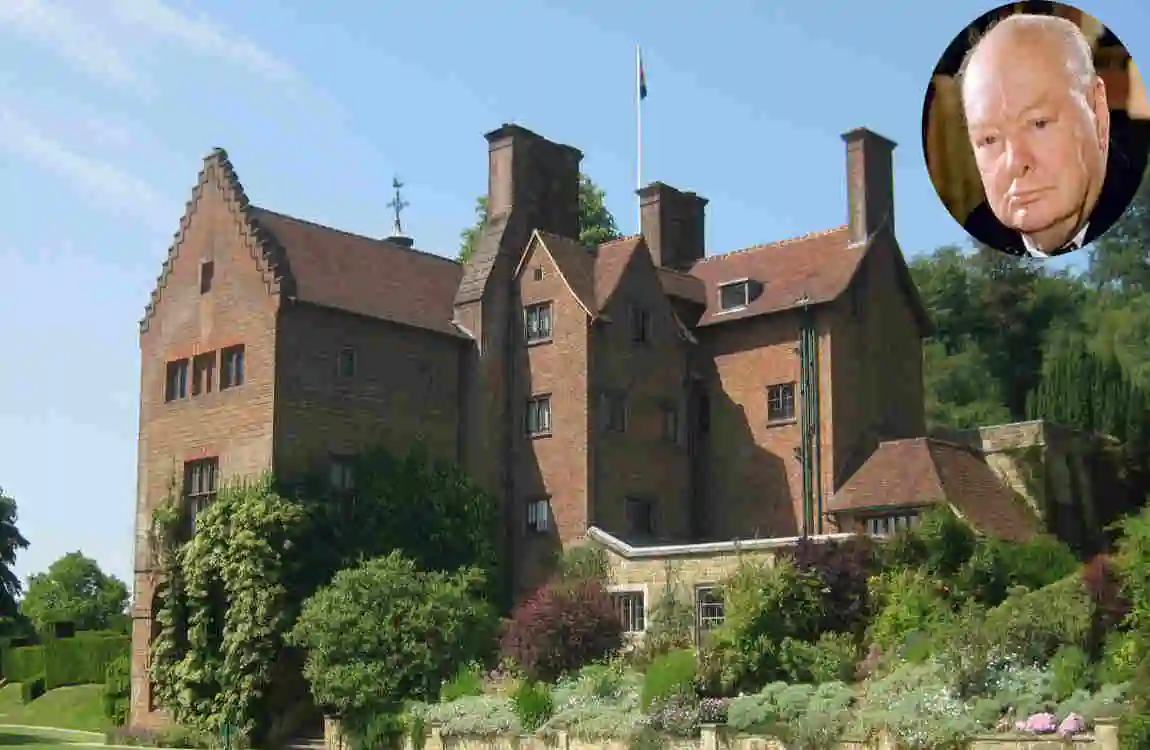
Imagine stepping out of the fast-paced modern world and walking straight into the private, quiet sanctuary of a historic giant. Picture a sweeping green landscape, a house built of warm golden stone, and a quiet study where the fate of the free world was once pondered. Welcome to Chartwell.
When you visit this incredible estate, you are not just looking at old bricks and manicured lawns. You are stepping into the personal world of a legendary leader. This is the famous Winston Churchill House, located in the beautiful countryside of Kent. For anyone who loves history, architecture, or simply a gorgeous English garden, Chartwell is an absolute masterpiece waiting to be explored.
Chartwell is far more than just a grand historic home. From 1922 to 1965, this remarkable property served as Winston Churchill’s ultimate retreat. It was his haven for boundless creativity, deep reflection, and lively family life away from the chaotic political arenas of London. Today, the property is beautifully preserved and managed by the National Trust. This incredible status ensures that every single room, garden path, and painting remains exactly as it was, allowing you to walk directly in the footsteps of history.
If you want to truly understand the man behind the famous speeches and the iconic cigar, you must explore the Winston Churchill House that shaped his legacy. This property offers a rare, behind-the-scenes look at a complex man who was not only a Prime Minister but also a passionate painter, a dedicated bricklayer, and an avid nature lover.
Architectural Marvels of Winston Churchill House
When you first catch a glimpse of the Chartwell House from the winding driveway, its glowing golden stone facade takes your breath away. But the grand, polished look of the house today is entirely thanks to Churchill’s ambitious vision. When he bought the property, he immediately hired the talented architect Philip Tilden to completely modernize and reshape the Victorian farmhouse into an elegant Edwardian villa.
The house boasts a spacious, incredibly welcoming layout. It features five main bedrooms, a spectacular double-height drawing room, a sprawling library, and a dedicated art studio. Churchill wanted a home that felt light, airy, and deeply connected to the beautiful nature outside his windows.
Rooms Frozen in Time
One of the most thrilling parts of touring the Winston Churchill House today is seeing how perfectly the National Trust has preserved the interior. It truly feels as though the family has just popped out for an afternoon walk.
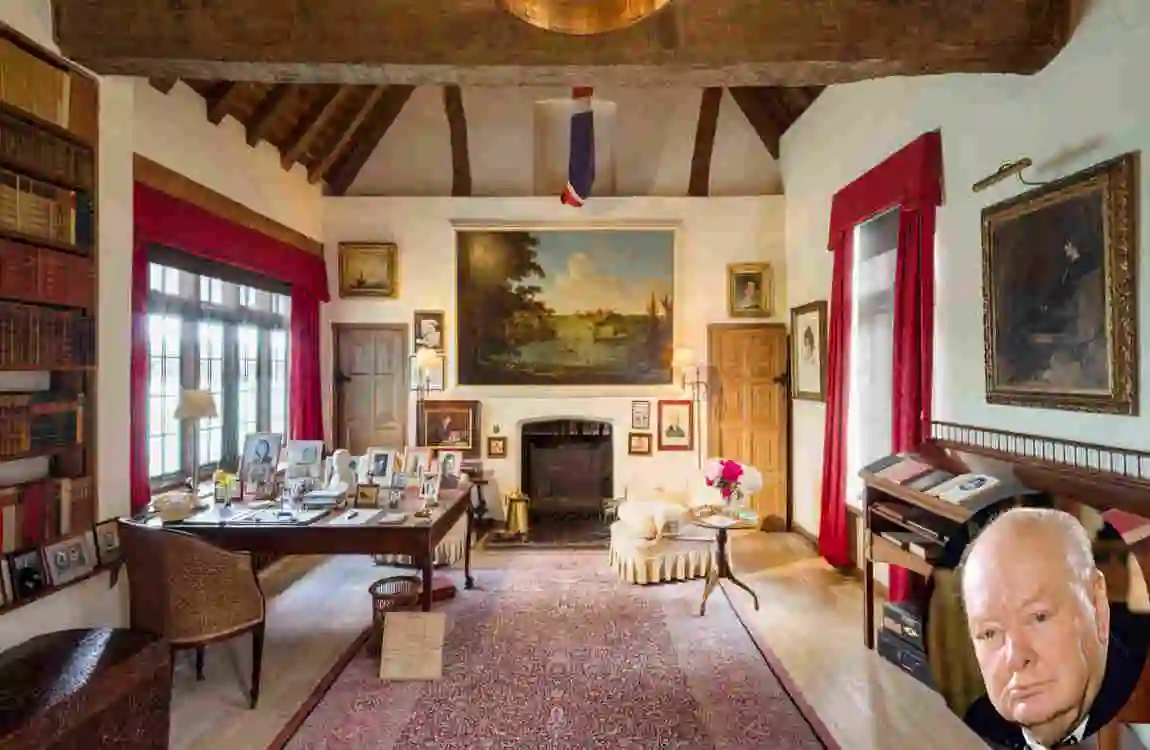
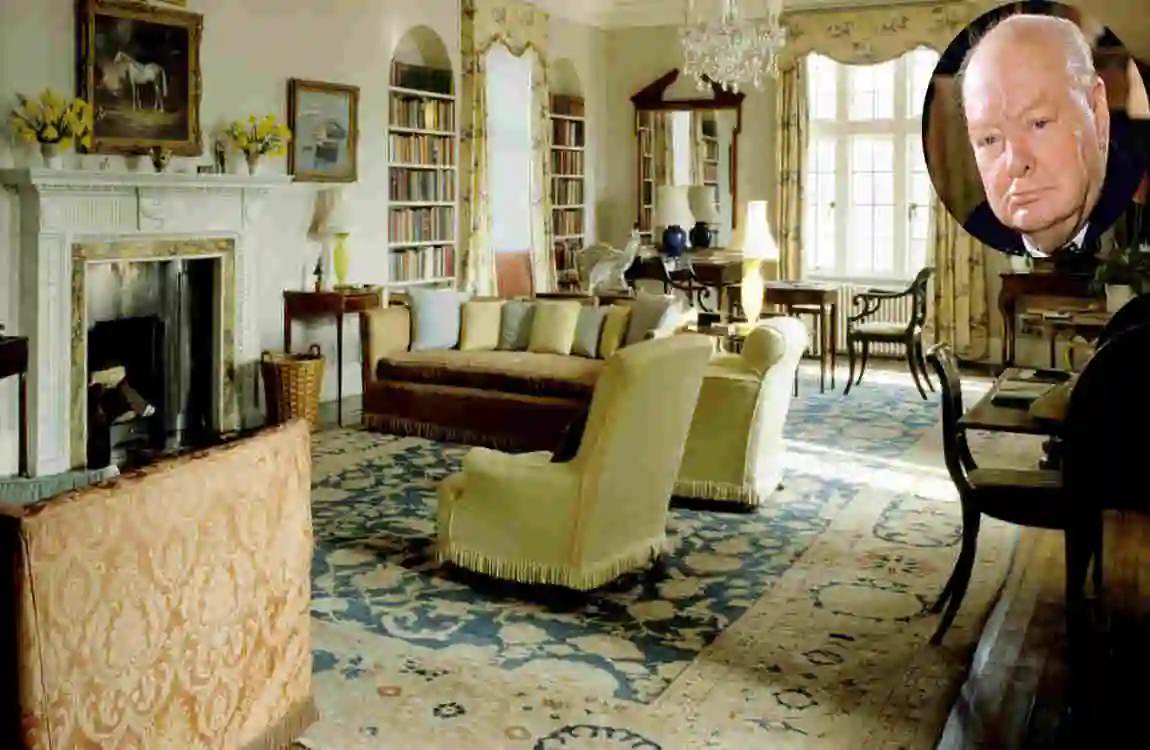
When you enter the drawing room, your eyes are immediately drawn to the large windows and the comfortable, lived-in furniture. But the real showstopper is Churchill’s private study. This room is the beating heart of Chartwell. With its heavily timbered, vaulted ceiling and sweeping views out over the Kent countryside, it feels like a room built for deep thinking. You can still see his wartime maps pinned to the walls, his sturdy wooden desk, and the standing desk he specifically designed for reading draft after draft of his speeches.
If you are planning a Chartwell House interior tour, you will be amazed by the clever blend of cozy family living and serious professional workspace. The dining room, for instance, hosted some of the 20th century’s most famous politicians, military leaders, and thinkers. You can almost hear the clinking of champagne glasses and the booming laughter echoing off the walls.
Standout Architectural Features
Churchill was never a man to sit still, and his restless energy poured directly into the physical structure of the estate. Let us look at a few unique architectural elements that make this property so special:
- Spacious verandas: Churchill explicitly asked his architect to build wide, sweeping verandas. He loved to pace back and forth across these outdoor terraces, honing his booming oratory while staring out at the landscape.
- The famous brick wall: Churchill was famously prone to bouts of severe depression, which he called his “Black Dog.” To combat this, he took up bricklaying as physical therapy. He actually built large sections of the brick walls surrounding the kitchen gardens by hand!
- The outdoor writing hut: Nestled in the trees, this quiet little retreat provided the absolute silence he sometimes needed to finalize his writing.
- The engineered lakes: Churchill loved water. He personally oversaw the massive engineering project to dam the local springs and create the cascading lakes that now fill the valley.
Every single brick, window, and pathway at Chartwell tells a story of the man who shaped it.
The Legendary Gardens at Chartwell
While the house is incredibly fascinating, many visitors argue that the Chartwell Gardens are the true stars of the show. Spanning over 20 acres of perfectly manicured lawns, wild woodlands, and tranquil water features, the grounds were Churchill’s ultimate passion project.
If you love the outdoors, you will easily lose track of time as you wander through this vibrant landscape. Churchill spent a small fortune and countless hours designing, digging, and planting to create his perfect paradise. Let us break down the most spectacular sections of the gardens you absolutely must explore.
Ponds and Lakes: A Symbol of Resilience
Water is a major theme throughout the Winston Churchill House Gardens. As you walk down the sloping lawns, you will come across a series of stunning lakes and ponds. The most famous of these is the Golden Orfe pond.
Churchill actually dug this pond himself. He loved to sit on a special wooden chair at the edge of the water, tapping his walking stick to summon his beloved golden orfe fish to the surface for feeding. During his toughest political years, watching the tranquil water and feeding the fish provided him with a profound sense of peace and resilience. The ponds are also home to the famous Black Swans, a gift from the Australian government that Churchill absolutely adored.
Vegetable and Flower Gardens: Feeding a Nation
During the harsh years of World War rationing, every inch of available land in Britain was needed to produce food. Chartwell was no exception. The expansive vegetable gardens here were incredibly productive, making the estate largely self-sufficient during the darkest days of the 1940s.
Today, the flower gardens are an absolute riot of color. The Rose Garden, carefully curated by Clementine Churchill, blooms beautifully in the summer months. Walking through these fragrant pathways, you can easily see why Churchill chose this specific landscape as the subject for so many of his famous oil paintings.
The Walled Garden: A Slice of the Mediterranean
Kent is famously known as the “Garden of England” due to its rich soil and relatively mild climate. Churchill pushed the limits of this climate by building a massive walled garden. The towering brick walls—many laid by Churchill himself—absorbed the sun’s heat, creating a warm microclimate.
Believe it or not, Churchill even managed to grow Mediterranean fruits, including oranges and peaches, right here in the chilly UK! The walled garden today is a testament to his sheer stubbornness and his deep love for biodiversity.
From the dazzling seasonal blooms of springtime bluebells in the woodlands to the vibrant autumn colors of the changing leaves, the gardens at Chartwell offer something magical no matter what time of year you choose to visit.
Inside Winston Churchill’s Daily Life at Chartwell
To truly understand the magic of the Winston Churchill Home, we need to step away from the grand historical events for a moment and look at the man himself. What was it actually like to live inside this house?
Churchill was an incredibly eccentric man with a highly unusual daily routine. He did not conform to normal working hours. Instead, he created a lifestyle that maximized his unique energy levels and his boundless creativity.
A Day in the Winston Churchill House
Let us walk through a typical day in the life of the great statesman while he was living at Chartwell.
His mornings started surprisingly late. Churchill usually woke up around 7:30 AM, but he rarely got out of bed before noon. Instead, he would sit propped up on plush pillows, wearing his silk dressing gown. From his bed, he would eat a hearty breakfast, read through half a dozen national newspapers, and dictate letters to his team of rushing secretaries.
By early afternoon, he finally emerged from his bedroom. After a large lunch—often accompanied by a glass of his favorite Pol Roger champagne—he would head outside. This was his time for physical labor and hobbies. Depending on his mood, you might find him standing at his easel in the garden painting a landscape, or wearing his famous “siren suit” (a comfortable, one-piece romper) while laying bricks for a new garden wall.
Dinner was a grand, theatrical affair. Clementine Churchill was a brilliant hostess, and the dinner table was always filled with family, friends, and important guests. The conversation was loud, witty, and often lasted hours.
But for Churchill, the real work began when the guests finally went to bed. Around 11:00 PM, he would head up to his study. While the rest of the world slept, he would pace the floorboards, smoking his trademark Cuban cigars, and dictate his memoirs and speeches to exhausted secretaries until two or three in the morning.
Family Life and Treasured Artifacts
Despite his busy schedule, Chartwell was a deeply loving family home. Clementine’s calming influence balanced out Winston’s chaotic energy. The sprawling grounds were a magical playground for their children, full of secret treehouses and hidden garden paths.
When you tour the house today, you will see incredibly intimate artifacts that bring these family stories to life. You will spot his military uniforms hanging quietly in the wardrobe, half-smoked cigars resting in ashtrays, and unfinished canvases sitting exactly where he left them in the art studio. This perfect work-life balance—mixing intense focus with joyful hobbies—continues to inspire modern leaders who visit the estate today.
Chartwell’s Role in Churchill’s Legacy
It is impossible to separate the man from the house. Chartwell was not just a backdrop to Churchill’s life; it was a highly active participant in shaping his global legacy. The Winston Churchill House legacy is woven directly into the fabric of the 20th century.
Think about some of the most stirring words ever spoken in the English language. When Britain stood alone against the terrifying threat of invasion, Churchill’s speeches gave an entire nation the courage to fight on. Many of the core ideas, themes, and phrases for those legendary broadcasts were initially drafted, practiced, and perfected right here in the quiet rooms of Chartwell.
Following the victorious end of World War II, Churchill returned to his beloved Kent estate to reflect on everything that had happened. After attending historic meetings like the Yalta Conference alongside Franklin D. Roosevelt and Joseph Stalin, Churchill needed a place to process the shifting global power dynamics. Chartwell provided the profound silence he needed to think about the looming Cold War.
The Pen is Mightier than the sword
During his post-war years at the real estate, Churchill took on a massive new project. He decided to write the definitive history of the conflict he had just helped win. Sitting at his sturdy desk overlooking the gardens, he penned his monumental, multi-volume masterpiece, The Second World War.
This sweeping historical account was deeply influenced by the hundreds of letters, secret documents, and personal notes he had stored at Chartwell. His writings were so impactful that they ultimately earned him the Nobel Prize in Literature.
There are, of course, a few myths surrounding the estate. Some people mistakenly believe that Chartwell was his only home. In reality, he owned other properties and spent vast amounts of time at official residences in London. However, Churchill himself made it crystal clear where his heart truly belonged. He famously declared, “A day away from Chartwell is a day wasted.”
Today, leadership experts and historians flock to the property. They study the environment he created for himself, analyzing how a leader builds a personal sanctuary to sustain their mental health under unimaginable pressure.
Visiting Chartwell: Practical Guide
Are you feeling inspired to pack your bags and explore this incredible piece of history for yourself? Planning a trip to the Churchill Kent Estate is wonderfully straightforward. To help you prepare for a flawless day out in 2026, we have put together all the practical details you need to know.
Located just outside the charming market town of Westerham in Kent, Chartwell is easily accessible for both local and international tourists. The estate is generally open daily from March through October, with slightly reduced hours during the chilly winter months.
When you arrive, you will find a large, well-organized parking area right near the entrance. The National Trust has done a phenomenal job making the site welcoming. General admission tickets currently cost around £18 for adults, with discounts available for families and children. If you happen to be a National Trust member, you can walk right in for free!
Accessibility and Tips for Your Visit
The staff at Chartwell are incredibly friendly and go out of their way to make the estate accessible. While the house does have historic stairs and ramps, mobility buggies are available to help visitors navigate the beautiful, albeit hilly, gardens.
Do you have a furry friend? Good news! Dogs on short leads are warmly welcomed in the outer gardens and woodland areas. However, they are naturally not permitted inside the historic house itself.
We recommend setting aside at least 2 to 3 hours for your visit. This gives you plenty of time to wander through the house, enjoy a stroll around the lakes, and stop for a lovely slice of cake at the on-site café.
Quick Reference Guide
Here is a handy table breaking down the top tips for your trip:
Feature: Important Details to Know
Travel from London: An easy 45-minute drive, or take a quick train to nearby Edenbridge station.
Best Time to Visit: Late Spring is magical; the woodland path is awash with vibrant bluebells.
Audio Guide Absolutely free! It even features recordings of Churchill’s own voice.
Food & Drink: A fantastic café on site serving hot lunches, tea, and incredible baked goods.
Shopping: The gift shop offers great books, unique art prints, and local Kentish honey.
Make sure you check the official calendar before you travel! The estate frequently hosts exciting events, ranging from special guided garden tours to interactive historical exhibitions that dive deep into the secret lives of the Churchill family.
Why Chartwell Captivates Modern Visitors
Why does a house belonging to a politician from the last century still attract hundreds of thousands of visitors today? The appeal of Chartwell is actually trending upwards.
In our fast-paced, highly digital world, people are craving authentic connections to the past. Today’s modern visitors are completely captivated by the real estate for a variety of reasons. Firstly, it is undeniably beautiful. The sweeping views of the Weald and the perfectly curated flower beds offer Instagram-worthy sights at every turn.
Furthermore, the explosion of popular history podcasts and big-budget historical television dramas has sparked a massive renewed interest in 20th-century history. People are no longer satisfied with just reading a textbook; they want to see the real thing. Searches for a Winston Churchill house tour are surging as a new generation seeks to understand the complex realities of past leadership.y.
Frequently Asked Questions (FAQs)
Where exactly is the Winston Churchill house located? Chartwell is located just outside the picturesque town of Westerham in the county of Kent, England. It sits in a beautiful rural setting, yet it is only a short, convenient journey from central London, making it a perfect day trip.
Can you go inside the actual rooms where Churchill lived? Yes, absolutely! The National Trust has meticulously preserved the house’s interior. You can walk through his private study, the family drawing room, the dining room, and even his personal art studio, which remains exactly as he left it.
How much time do I need to explore Chartwell fully? To truly enjoy both the historic house and the extensive Chartwell Gardens, we recommend allowing at least 2 to 3 hours. If you want to stop for lunch at the café or take a long walk in the outer woodlands, you could easily spend a whole afternoon here.
Are the gardens at the Churchill Kent estate open all year round? The gardens are beautifully maintained and offer something special in every season. However, the estate’s opening hours vary depending on the time of year. It is always best to check the current opening times before you travel to ensure full access.
Did Winston Churchill actually build walls at Chartwell? He certainly did! Churchill found physical labor to be incredibly relaxing and therapeutic. He joined the local bricklayers’ union and spent countless hours personally building the large red brick walls that still surround the beautiful kitchen gardens today.
Where Does Winston Churchill Currently Live?
Winston Churchill passed away on January 24, 1965, so he does not currently live anywhere.
Winston Churchill House Photo