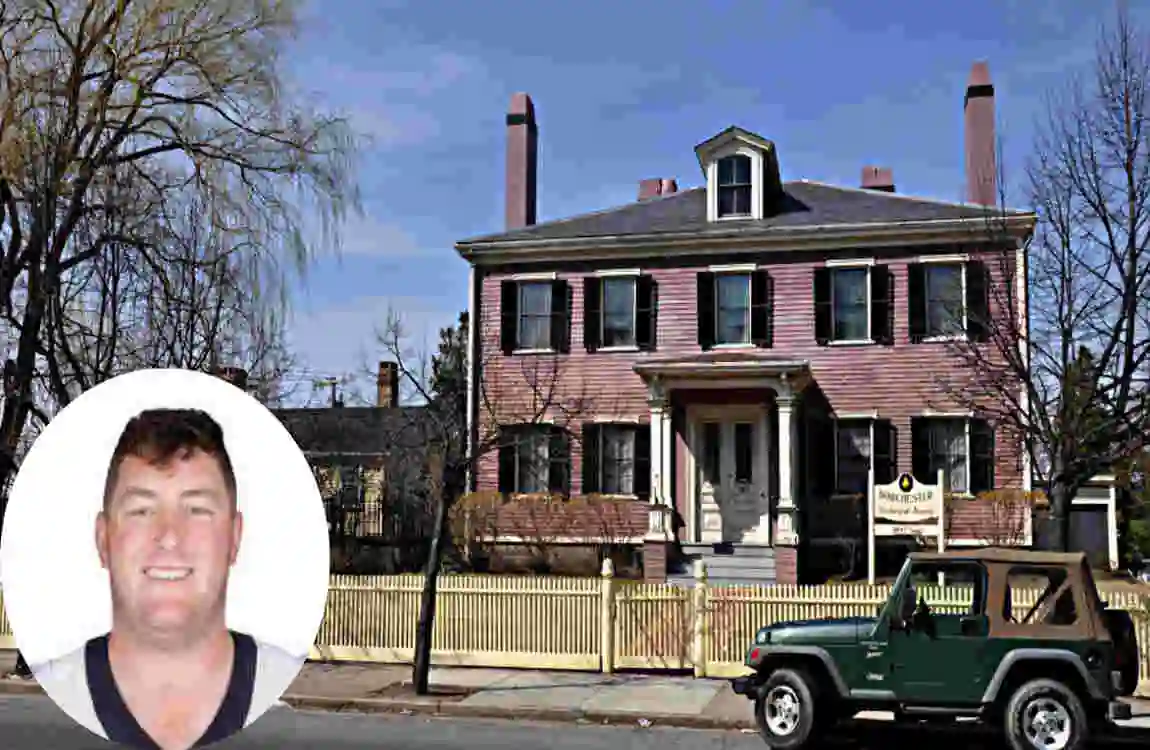
Picture Dorchester in 1806—a lively town on the outskirts of Boston, where families like the Clapps are shaping the future with hard work and vision. Among the modest homes and bustling tanneries stands the Will Clapp House, a beautiful Federal-style residence built by William Clapp, a successful tannery owner and agricultural innovator. This house is more than just a building; it’s a symbol of early American ambition and community spirit.
The Will Clapp House stands as a testament to early 19th-century ambition, reflecting Dorchester’s growth from a rural settlement into a thriving industrial hub. Today, it serves as the home of the Dorchester Historic Society, welcoming visitors who want to connect with Boston’s rich past.
Early History of the Will Clapp House
Origins in Dorchester’s Growth
The Will Clapp House was built in 1806 by William Clapp, the son of Captain Lemuel Clap, on land that had been in the family for generations. This was a time of growth and optimism after the American Revolution. Dorchester was expanding, and the Clapp family tannery was becoming the largest in the area, playing a key role in the local economy.
Here’s a brief timeline to understand the house’s roots:
- 1633: Roger Clapp, an early settler, likely built an initial structure on this site.
- 1767: Lemuel Clap expanded the original family home.
- 1806: William Clapp constructed the Will Clapp House to mark his marriage and establish his family’s legacy.
This timeline shows how the Clapp family’s presence in Dorchester spans centuries, with each generation building on the last.
The Clapp Family Legacy
William Clapp was more than a tannery owner; he was also an agricultural pioneer. After taking over the family business, he developed new pear varieties, including the well-known Clapp’s Favorite in 1820. This pear became a beloved fruit in New England and remains popular today.
The Clapp tannery was a major economic force in Boston, providing leather goods and supporting many local jobs. The family’s influence extended beyond business—they helped shape the region’s culture and agriculture.
Here’s a quick look at key family members and their contributions:
Clapp Family MemberRoleContribution
Roger Clapp , an early settler, built the initial structure around 1633
Lemuel Clap Tannery Owner Expanded family house in 1767
William Clapp , a businessman/farmer, built the Will Clapp House in 1806; developed pears
This table highlights the Clapp family’s deep roots and lasting impact on Dorchester.
Architectural Marvels of the Will Clapp House
Federal Style Breakdown
The Will Clapp House is a prime example of Federal architecture, a style popular in the United States from about 1780 to 1830. Designed by Samuel Everett, the house features a hip roof, a common trait in elegant Federal homes found in Boston’s historic neighborhoods.
What makes this house special?
- Symmetry: The front facade is perfectly balanced, with evenly spaced windows and a centered doorway.
- Grand Entrance: The main door is framed by sidelights and topped with a decorative fanlight, creating an inviting and stylish entry.
- Brick Exterior: The sturdy brick facade combines durability with refined aesthetics.
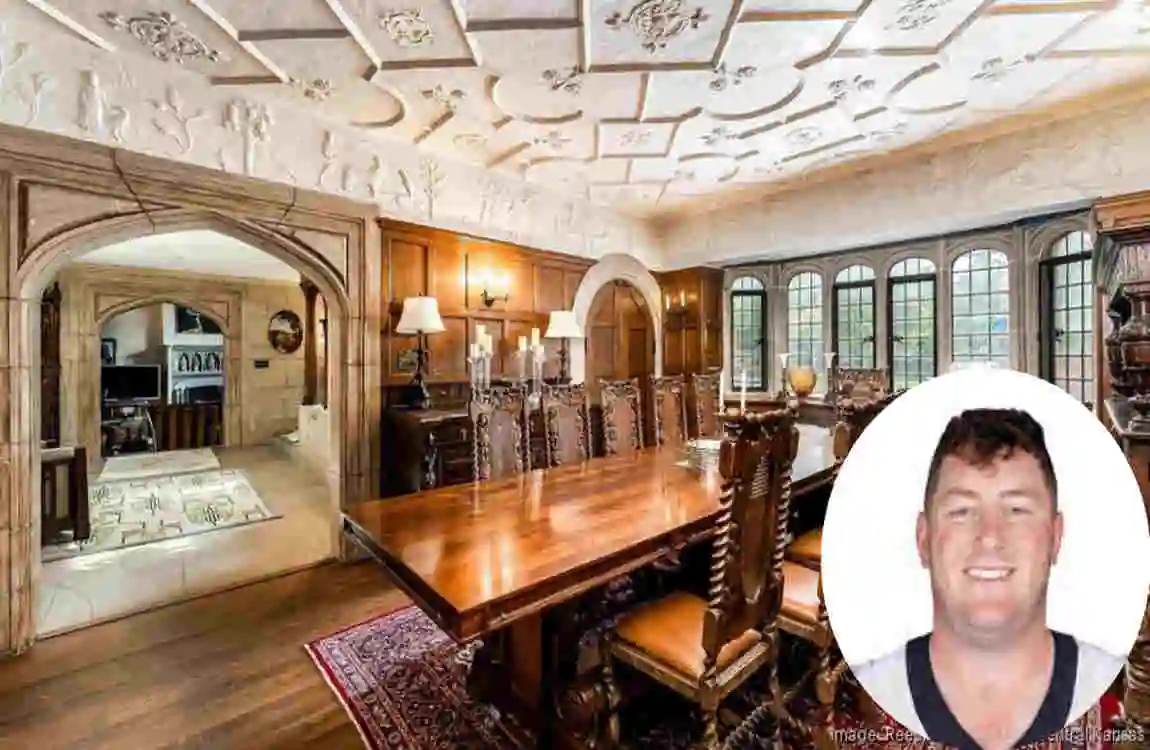
Inside, the house boasts fine wood paneling, multiple fireplaces, and a beautifully carved staircase inspired by nearby historic buildings. These details reflect the craftsmanship and design trends of the early 1800s.
Interior and Exterior Highlights
Here are some key features of the Will Clapp House:
- Exterior:
- A free-standing city home with balanced proportions.
- Brickwork that has endured over two centuries.
- Views overlooking what was once the family’s pear orchards.
- Interior:
- Durable materials reflecting the tannery business’s influence.
- Elegant fireplaces in several rooms.
- A carved staircase with intricate details.
- Restorations:
- 20th-century preservation efforts have maintained the house’s Colonial character.
- Careful restorations ensure the home remains a living piece of history.
Comparison to Other Clapp Houses
To understand the Will Clapp House‘s unique place among Clapp family homes, here’s a comparison:
FeatureWill Clapp House (1806)Capt. Lemuel Clap HouseIncrease Clapp House (1808)
Location Dorchester, Boston , Dorchester South Windsor
Style Federal hip-roof Colonial expansions Blacksmith home
Key Use : Tannery owner’s residence , Family tannery base , Blacksmith trade
This table highlights how the Will Clapp House stands out for its Federal style and its role as the home of a tannery owner.
Preservation and Modern Significance
Journey Through Ownership
The Will Clapp House stayed in the Clapp family for many years before becoming the property of the Dorchester Historic Society. This transition helped protect the house and turn it into a museum and cultural landmark.
Over time, the luxury house faced challenges, including threats from nearby road construction projects that endangered other historic homes. Thanks to dedicated preservation efforts, the Will Clapp House has survived and remains a symbol of Dorchester’s rich history.
Why the Will Clapp House Matters Today
Today, the Will Clapp House is a lively cultural center. The Dorchester Historic Society offers tours, educational programs, and community events that bring history to life.
Why is this house important?
- It reflects the shift from an industrial to an agricultural economy in early America.
- It preserves the Clapp family’s legacy, especially their contributions to pear cultivation.
- It inspires heritage tourism, attracting visitors interested in Boston’s historic neighborhoods.
The house teaches us about resilience, adaptation, and the value of preserving our shared past.
Visiting the Will Clapp House
Practical Guide
If you want to visit, here’s what to know:
- Hours: The house is open seasonally, with guided tours available by appointment.
- Admission: Modest fees help support preservation.
- Tours: Knowledgeable guides share stories about the Clapp family, architecture, and local history.
- Nearby Attractions: Explore other historic sites and parks in Dorchester to make the most of your visit.
Virtual and In-Person Experiences
For those who can’t visit in person, virtual tours and online exhibits showcase the house’s artifacts and pear history. Visitors can explore:
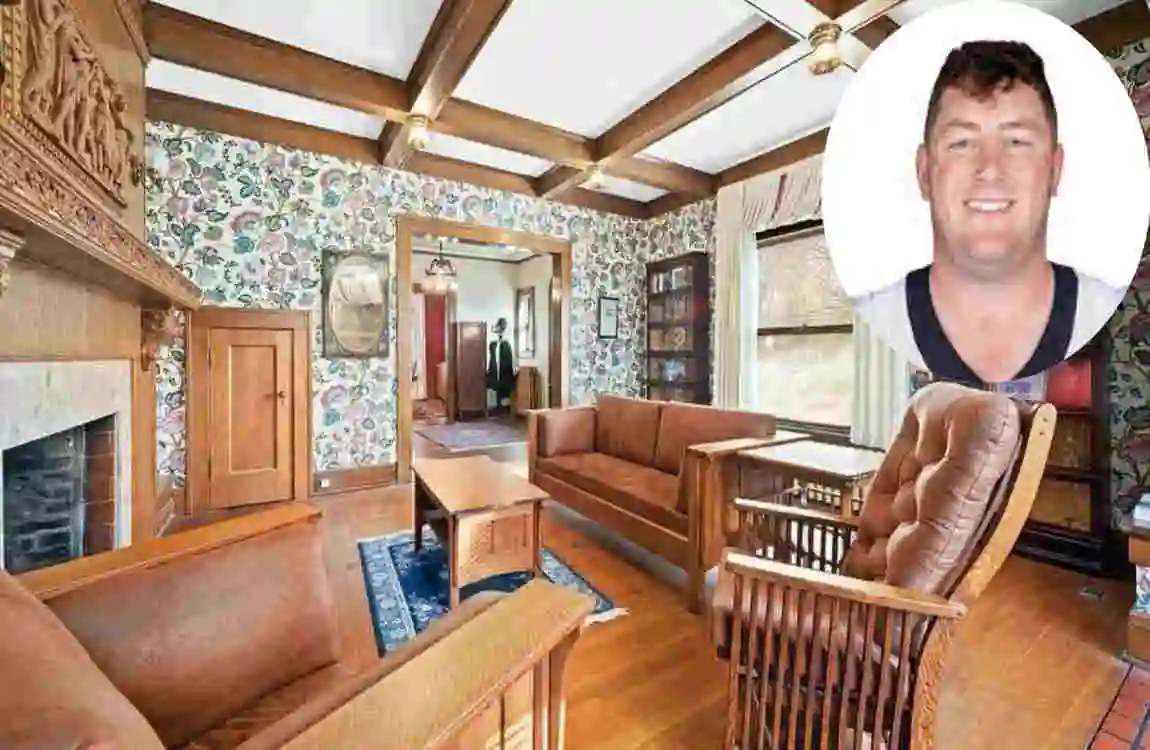
- Original furniture and household items.
- Displays on the Clapp family tannery and agricultural innovations.
- Interactive maps highlighting the house’s location and surroundings.
Whether in person or online, the Will Clapp House offers a rich, immersive experience.
FAQ
- What is the Will Clapp House?
- A historic 1806 Federal-style home in Dorchester, Boston, built by William Clapp.
- Who built the Will Clapp House?
- William Clapp constructed the house for his family in 1806.
Where Does Will Clapp Currently Live?
William Clapp, the historical figure associated with the Will Clapp House (properly known as the William Clapp House), passed away on February 29, 1860.
Will Clapp house photo