
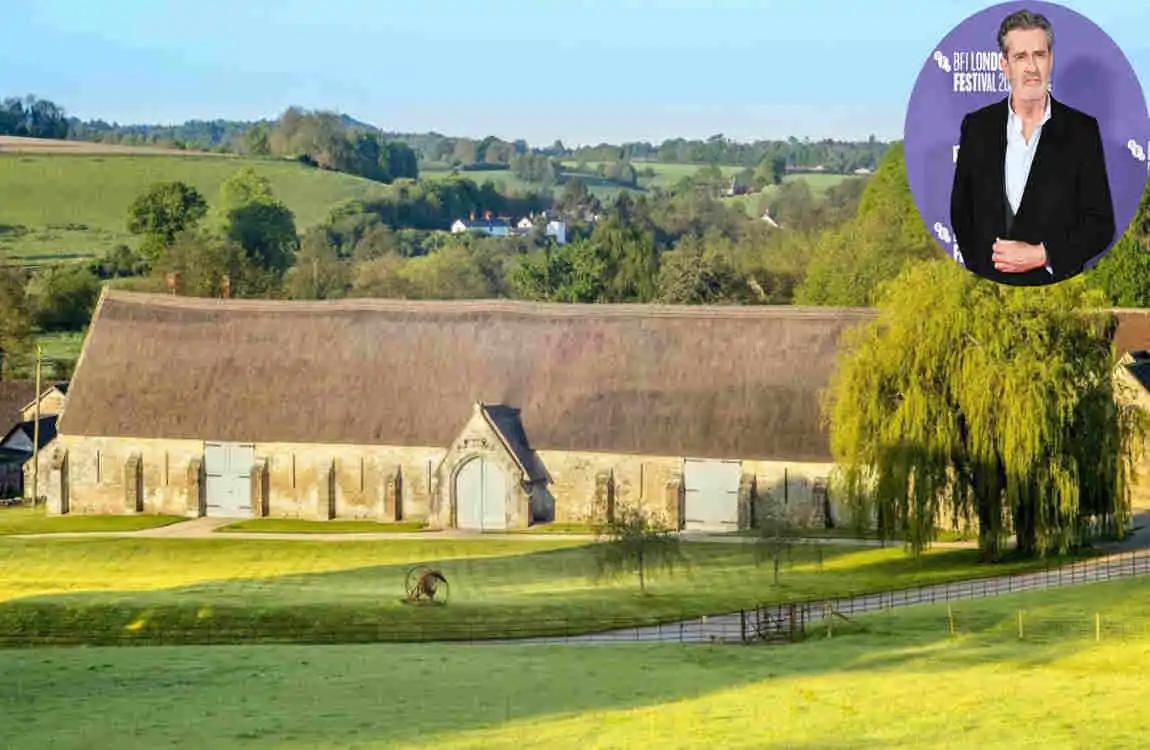
When it comes to historic estates, few can rival the charm and timeless beauty of Rupert Everett’s 18th-century family home. Nestled in the English countryside, this estate is not only a testament to architectural grandeur but also a repository of stories, memories, and history that span centuries.
Rupert Everett’s Family Home: Overview and Location
A Picturesque Setting
Rupert Everett’s family stunning home is located in the heart of the English countryside, surrounded by rolling hills and lush greenery. The sense of tranquility and timelessness that envelops the estate is almost palpable. This rural location has long been a sanctuary for artists, writers, and thinkers, making it the perfect retreat for someone like Everett, who has spent much of his life in creative pursuits.
The Historic Context
The estate, built in the 18th century, stands as a prime example of Georgian architecture. During this period, homes were often designed with symmetry and proportion in mind, reflecting the ideals of balance and harmony central to the era’s aesthetic values. The house’s exterior features intricate stonework, tall windows, and decorative cornices that highlight the craftsmanship of the time.
A Family Legacy
Rupert Everett’s connection to this historic home runs deep. The estate has been part of his family for generations, making it not just a house but a living repository of memories and traditions. Everett himself has described the home as “tumbledown” in some respects, but this only adds to its charm and authenticity.
History Behind the 18th-Century Estate
Origins of the Estate
The estate’s origins can be traced back to the early 1700s, when it was commissioned by a prominent figure of the time. Over the centuries, it has passed through the hands of several notable families, including the Fulke Greville and Malet families, each leaving their mark on the property.
Architectural Evolution
While the original structure was a modest Georgian home, subsequent owners made significant additions and modifications. For instance, parts of the house were rebuilt during the Victorian era to accommodate changing tastes and lifestyles. These changes have added layers of character to the estate, making it a fascinating blend of architectural styles.
Rupert Everett’s Reflections
In his memoirs, Rupert Everett shares vivid descriptions of the house, often highlighting its imperfections and quirks. He speaks fondly of the creaking floorboards, the peeling wallpaper, and the sense of history that seems to seep from every corner. For Everett, the house is more than just a building—it’s a living, breathing entity with a soul of its own.
Architectural Features and Design Elements
The Exterior: A Georgian Masterpiece
The exterior of the house is a textbook example of 18th-century Georgian design. Ionic and Corinthian columns frame the entrance, lending an air of grandeur and sophistication. The symmetrical layout of windows and the use of local stone further enhance the home’s aesthetic appeal.
Interior Highlights
Stepping inside, visitors are greeted by high ceilings, ornate moldings, and intricate woodwork. The house’s pavilion rooms—designed to capture natural light—are particularly striking. These spaces, often adorned with antique furniture and artwork, reflect the timeless elegance of the Georgian era.
Unique Features
Among the estate’s most intriguing features are its decorative urns, which dot the gardens and pathways. These urns, often made of stone or terracotta, serve as both functional and decorative elements, adding to the property’s historic charm.
Restorations and Modern Touches
In recent years, efforts have been made to preserve the house’s original features while also introducing modern conveniences. This delicate balance ensures that the home retains its historic character while remaining functional for contemporary living.
The Stunning Gardens of the Estate
A Landscape Steeped in History
The gardens surrounding the Rupert Everett modern house are a marvel in their own right. Designed during the early 20th century, they reflect a mix of formal and informal styles, with manicured lawns giving way to wildflower meadows and wooded areas.
Key Features of the Gardens
The gardens boast several standout features, including:
- The Octagonal Summerhouse: A charming structure that serves as a quiet retreat.
- The Ice-House: A relic from a time when refrigeration was a luxury.
- The 18th-Century Grotto: A whimsical space that adds a touch of magic to the landscape.
- Landscaped Avenues: Tree-lined paths that invite strolls and reflection.
The Role of the Gardens
For Rupert Everett, the gardens are an extension of the home itself. They provide a space for relaxation, inspiration, and connection with nature. The interplay between the house and its surrounding landscape creates a truly special sense of harmony.
Garden Feature Description Purpose
Octagonal Summerhouse: A small, eight-sided structure perfect for reading or writing. A tranquil retreat.
Ice-House: An underground chamber used to store ice in the past—a historical curiosity.
18th-Century Grotto: A decorative cave-like feature. Adds whimsy and charm.
Landscaped Avenues: Long, tree-lined paths. Ideal for walks and contemplation.
Rupert Everett’s Personal Stories and Reflections
A Connection to the Past
Rupert Everett often speaks of the house as a bridge to his family’s past. He recalls childhood memories of exploring the house’s nooks and crannies and the stories passed down through generations.
Anecdotes and Insights
One of the most poignant stories Everett shares is about his relationship with Maria Britneva, a previous caretaker of the estate. Her dedication to preserving the house’s character left a lasting impression on him.
The Estate as a Family Home
Despite its grandeur, Rupert Everett’ luxury house retains a sense of warmth and intimacy. It’s a place where family gatherings, quiet moments, and creative pursuits all coexist.
Cultural and Historical Significance
A National Treasure
The estate is recognized as a Grade II* listed property, a designation that underscores its architectural and historical importance.
Notable Figures and Events
Over the years, the house has been associated with several cultural figures and events, further cementing its place in history.
Inspiration for Art and Literature
The estate’s beauty and character have inspired countless works of art, literature, and even film. It’s not hard to see why—it’s a place that sparks the imagination.
Preservation and Modern-Day Status
Efforts to Preserve the Estate
Maintaining a historic property like the Rupert Everett house is no small feat. Significant resources and expertise are required to ensure that its architectural and natural features remain intact.
Current Status
Today, the house stands as a testament to the enduring appeal of historic estates. While it remains a private residence, it occasionally opens its doors for special events and tours.
The Importance of Preservation
Rupert Everett’s house serves as a reminder of the importance of preserving our cultural and architectural heritage. These estates are not just modern homes—they are living pieces of history that connect us to the past.
Where Does Rupert Everett Currently Live?
Rupert Everett currently lives near Enford, Wiltshire, England, where he moved to be closer to his family. He has also been involved in local community efforts there, such as helping to prevent a pub from closing.
